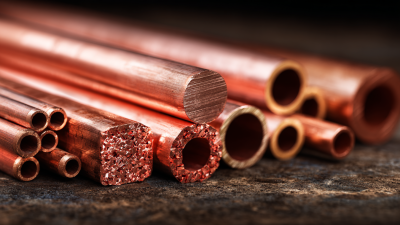
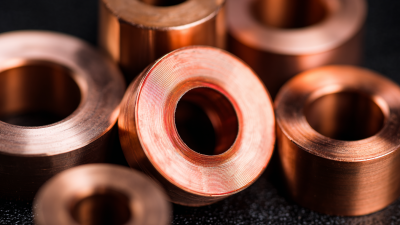
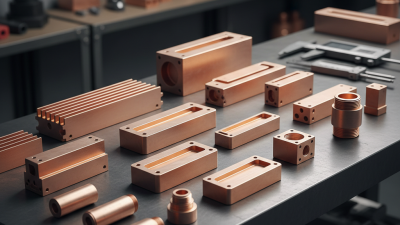
In the world of manufacturing, really getting what makes High Quality Copper extrusion Parts so essential is pretty important. Experts in the industry often highlight just how big of a deal this is. For example, Dr. Emily Chen, who’s pretty much a big name in copper metallurgy, once said, “The quality of Copper Extrusion Parts shapes the future of industrial applications.” That really shows how crucial these little components are across different sectors.
When you're on the lookout for Copper Extrusion Parts, finding trustworthy manufacturers is definitely the way to go. China has kinda become the go-to spot for these top-quality pieces. Companies like CHALCO, SMM, and Hailiang are leading the pack—they’re always pushing the envelope with new ideas and strict quality checks. Of course, each has its own strengths, but they face challenges too, especially when it comes to keeping up with changing demands and new tech.
As the industry keeps moving forward, paying attention to quality and reliability in Copper Extrusion Parts is more important than ever. Sure, lots of companies are shooting for the best, but there's always room to do better. This whole scene pushes manufacturers to keep innovating and fix whatever’s not quite right. The quest to perfect Copper Extrusion Parts is a work in progress—something that takes lots of skill, dedication, and a real passion for quality.
Overview of Copper Extrusion in China
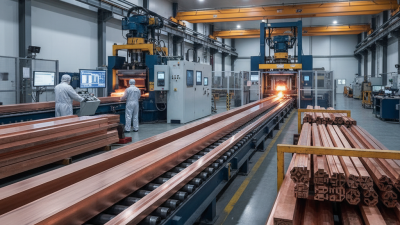
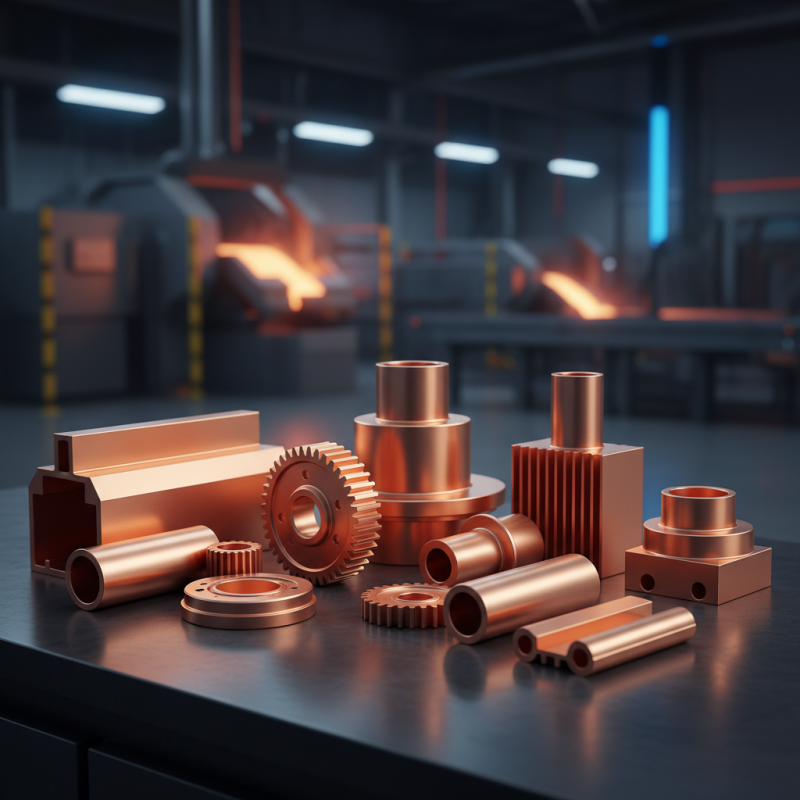
Copper extrusionhas become a critical industry in China, reflecting the nation’s rapid industrial growth. The process involves heating copper and forcing it through a die, creating parts of various shapes and sizes. This method allows for excellent material properties, making copper a go-to choice for many applications, including Electronics and construction.
The efficiency of copper extrusion processes has improved significantly in recent years. Advanced technology enhances productivity and reduces waste. However, quality control remains a challenge for some manufacturers. It's vital to ensure that extruded parts meet stringent standards. Not all manufacturers prioritize this aspect, and quality can be inconsistent across different firms. Companies must remain vigilant about sourcing reputable suppliers to avoid issues with product reliability.
China's copper market is vast and competitive. Many companies innovate to stay ahead of market trends. The emphasis on sustainability is growing, with some manufacturers exploring eco-friendly practices. This shift is crucial as environmental regulations tighten globally. Despite progress, the industry must confront complex challenges. Balancing cost, quality, and sustainability requires continuous effort and adaptation.
Key Factors for High-Quality Copper Extrusion Parts
High-quality copper extrusion parts are crucial in various industries, from automotive to electronics. Manufacturers must prioritize several key factors. Material purity is essential. Copper with higher purity levels ensures better conductivity and durability, leading to superior performance. Research shows that 99.9% pure copper significantly enhances the longevity of the parts.
Another crucial factor is precise machining. The extrusion process should maintain tight tolerances. According to industry reports, tolerances of ±0.02 mm are often required for high-performance applications. This precision ensures that parts fit seamlessly, reducing the risk of failures.
Tips: Always verify the certification of materials used in production. Ensure that the manufacturer has a robust quality control system in place. Quality checks during the extrusion process can prevent issues down the line.
Also, pay attention to surface finish. A smooth finish not only improves appearance but also enhances corrosion resistance. Rough surfaces can lead to stress concentrations, which may reduce the part's lifespan. Regular audits of manufacturing processes can identify areas for improvement and maintain high standards.
Top Ten Manufacturers of Copper Extrusion Parts in China
China has become a leading hub for manufacturing high-quality copper extrusion parts. The industry thrives due to advanced technology and skilled labor. Many factories specialize in producing parts that meet international standards. This ensures a steady supply of reliable products. Manufacturers often focus on precision and efficiency, vital components for various applications.
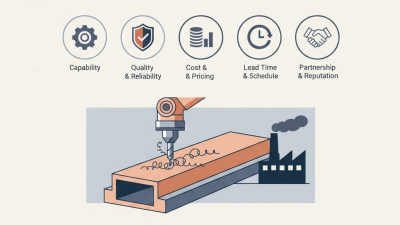
In selecting a manufacturer, buyers should consider several factors. Quality control processes are critical. Some companies might lack rigorous testing standards. This could affect the durability of products. Furthermore, evaluating the experience of a manufacturer can provide insights into their production capabilities. Not all manufacturers have the same level of expertise, which can impact product reliability.
Many manufacturers strive for innovation, yet not all succeed. Some may fall behind in adopting new technologies. This highlights the importance of staying updated with industry trends. Buyers must do their research to identify companies that consistently deliver high-quality parts. Networking within industry circles can reveal valuable insights into reputable manufacturers. This proactive approach allows for informed decisions in choosing a reliable supplier.
Top 10 China High Quality Copper Extrusion Parts Manufacturers to Know
| Manufacturer Location | Annual Production Capacity | Export Experience | Quality Certification | Major Applications |
| Zhuhai, Guangdong | 5000 tons | Over 10 years | ISO 9001 | Electronics, Automotive |
| Suzhou, Jiangsu | 4000 tons | 5 years | ISO 14001 | Construction, HVAC |
| Shanghai | 6000 tons | 8 years | ISO 9001, CE | Telecommunications, Medical |
| Tianjin | 3000 tons | 7 years | ISO 9001 | Electrical, Aerospace |
| Hangzhou, Zhejiang | 4500 tons | 6 years | ISO 14001, OHSAS 18001 | Home Appliances, Lighting |
| Nanjing, Jiangsu | 7000 tons | 12 years | ISO 9001, IATF 16949 | Industrial Equipment, Robotics |
| Chongqing | 5500 tons | 4 years | ISO 9001, AS9100 | Aerospace, Defense |
| Xi'an, Shaanxi | 4000 tons | 9 years | ISO 9001, RoHS | Marine, Transportation |
| Shenzhen, Guangdong | 8000 tons | 15 years | ISO 14001, CE | Consumer Electronics, Automotive |
| Beijing | 6500 tons | 11 years | ISO 9001, AS9100 | Telecommunications, Power Generation |
Detailed Profiles of Leading Copper Extrusion Manufacturers
When exploring the landscape of high-quality copper extrusion manufacturing in China, several key players stand out. These manufacturers use advanced technology and skilled labor to produce parts with exceptional precision and quality. Studies indicate that the copper extrusion market is expected to grow by 4.5% annually through 2025, driven by demand in electronics and construction sectors.
A notable trend is the emphasis on sustainability and recycling in copper production. Many manufacturers are adopting eco-friendly practices, which can reduce energy consumption by up to 30%. This shift not only supports the environment but also enhances the overall efficiency of operations. Increased investments in automation and quality control systems further ensure product reliability. However, challenges persist, including fluctuating raw material prices, which can impact production costs.
Tips: Always verify the reliability of a manufacturer’s certifications. Check their track record for quality and customer satisfaction. Look for companies that share their production processes openly. By focusing on transparent practices, you can greatly improve your selection process. Prioritizing these aspects may lead to better partnerships in the long run.
Innovative Technologies in Copper Extrusion Manufacturing
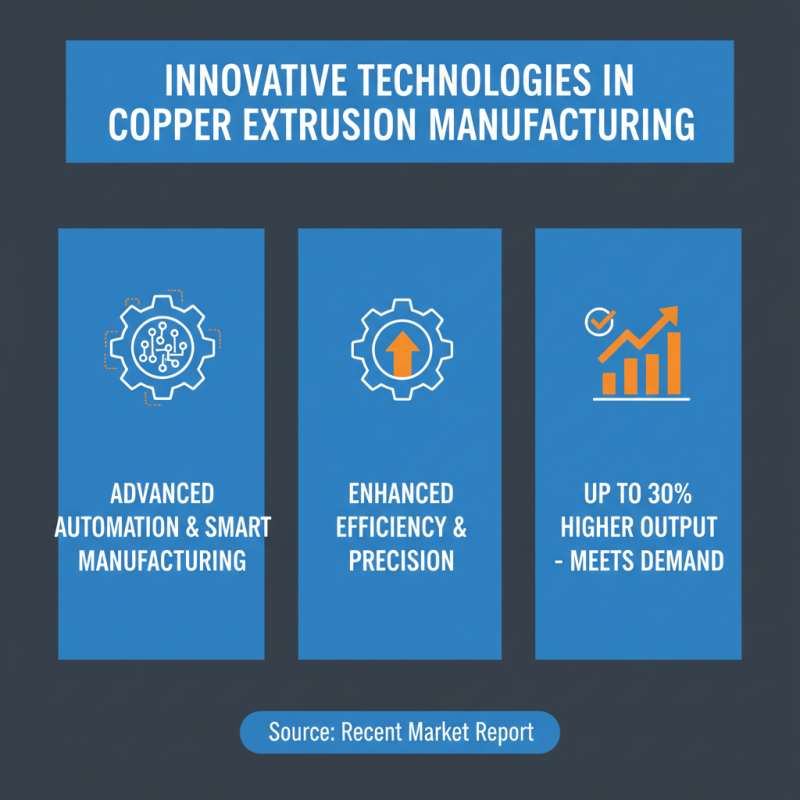
Innovative technologies in copper extrusion manufacturing are changing the industry landscape. The integration of advanced automation and smart manufacturing techniques is leading to enhanced efficiency and precision. According to a recent market report, automation in copper extrusion can improve output by up to 30%. This helps manufacturers meet rising demand while maintaining quality standards.
One significant trend is the use of artificial intelligence in process optimization. AI analyzes vast amounts of data to identify patterns, improving production schedules and reducing waste. However, reliance on technology brings challenges. Some companies struggle to adapt, needing ongoing training for their workforce. A transitional phase often produces inconsistent results.
Another key innovation is the development of specialized alloys and surface treatments. These features enhance the durability and conductivity of extruded products. However, sourcing high-quality raw materials remains an issue. Competitive pressures often push companies to compromise on material standards, which can lead to long-term quality issues. The industry must strike a balance between innovation and maintaining reliable outputs.
Quality Standards and Certifications for Copper Extrusion Parts
Quality standards are crucial in the manufacturing of copper extrusion parts. These standards ensure that the materials used are reliable. Many manufacturers seek certifications such as ISO 9001. This certification indicates a commitment to quality management systems.
In addition to ISO standards, other certifications like RoHS and CE play a significant role. RoHS restricts hazardous substances in electrical and electronic products. CE marking shows compliance with European safety standards. Manufacturers often strive to meet these criteria to enhance their credibility. However, not all companies follow these guidelines effectively.
Furthermore, the importance of regular audits cannot be overstated. Regular assessments can highlight gaps in quality control. Addressing these gaps is essential to maintain high standards. Many firms falter in this area, leading to production inconsistencies. Continuous improvement should be part of every manufacturer's ethos.
Top 10 High Quality Copper Extrusion Parts Manufacturers
This chart illustrates the production capacity of the top 10 high-quality copper extrusion parts manufacturers. The data reveals their capabilities in terms of production volume, showcasing their competitiveness in the market.
Market Trends and Future of Copper Extrusion in China
The copper extrusion market in China is experiencing significant growth. With advancements in technology, manufacturers are producing high-quality components. This trend is fueled by increasing demand in various sectors, including automotive and electronics. As sustainability becomes a priority, manufacturers are focusing on recycling and reducing waste.
Investing in new technologies is crucial for staying competitive. Many companies are exploring automation to enhance production efficiency. However, businesses should also consider potential downsides. For instance, the initial costs of advanced machinery can be high, impacting small manufacturers. It’s essential to weigh these options carefully.
Tips for success in this market include understanding customer needs. Engage with clients to ensure your products meet their specifications. Keep an eye on emerging trends, such as the shift towards greener processes. Additionally, maintaining quality control processes is vital. Regular audits can help identify areas for improvement.
Conclusion
The article provides a comprehensive overview of copper extrusion in China, highlighting its significance in the manufacturing sector. It emphasizes key factors that contribute to the production of high-quality copper extrusion parts, including precision, material selection, and innovative manufacturing techniques. The discussion extends to the top ten manufacturers in the industry, offering detailed insights into their operations and capabilities.
Additionally, the article explores the latest innovative technologies employed in the production process and outlines the quality standards and certifications essential for ensuring the reliability of copper extrusion parts. Finally, it examines market trends and predicts the future of copper extrusion in China, indicating a growth trajectory driven by increasing demand across various sectors. Overall, this analysis serves as a valuable resource for understanding the landscape of copper extrusion parts manufacturing in China.